I’m invigorated by having gone to the Decatur Book Festival and hearing some excellent poets. Luckily the weather was pleasant, if a little warm, so I was unable to talk myself out of going, which I do too often, because of the long drive there. If it had been raining, I likely would’ve chickened out.
Now, with my poetry battery recharged, I’m endeavoring to push on with what’s been rattling around in my brain about America, my family and my origins.
Recently, while doing genealogical research, I discovered my great-grandfather’s draft card and naturalization paperwork, both of which contained a detail I didn’t know about the man: he had an amputated right thumb. We never met, as he died a few years before I was born.
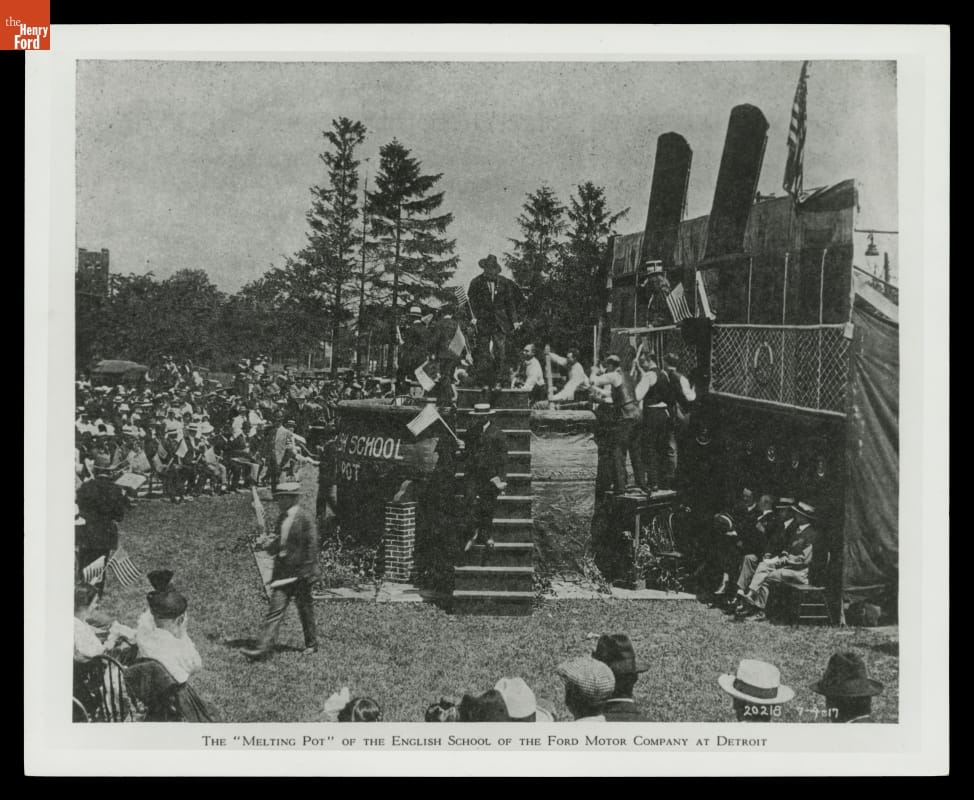
My great-grandfather immigrated to this country from Mexico in the 1920s and got a job at the Ford Motor Company. The story goes he drove from Mexico City to Detroit in a Model T Ford taking some cattle trails during a time when the Mississippi River was in flood. He apparently left because of the Mexican Revolution. How he lost his thumb is a mystery, whether it happened in the factory or in Mexico. Currently I’m in research for possibly a poem, an essay or a hybrid form about this. Not sure where this will lead, but I’ve tracked down a book for historical background, and so even if I don’t come away with having created anything, I will at least be more educated about my family’s origins.
I was last in the Detroit area probably back in the 1980s, when I visited the Ford museum, and I wish I could’ve paid more attention back then, though I doubt the museum devoted any space at all to its immigrant labor force back then. As I recall, it was mostly focused on machinery.
My grandfather, born in the U.S., would go on to also work at the Ford plant until my mother’s health forced him and my grandmother to move south.
This immigration question is just a small fragment of how the personal is political.
At the same time that Henry Ford was offering immigrants an opportunity, in the time-honored American way of taking advantage of the vulnerable, he was writing anti-Semitic drivel, parallels that sadly are found today with the hate speech on display.
Witness, also, the melting pot that workers emerged from, melted and transformed into new Americans, stripped of their foreignness. There was no Chicano pride back then, and this sort of idea of assimilation and smothering of otherness likely led to trauma that bled over the years. It is time to address these generational wounds.
With a certain segment of our body politic focused on immigrants — lying about them, and wanting to deport even people here legally — the image of the melting pot suggests it’s America that does the devouring.
 Kimberly L. Wright
Leave a comment